
This is the core challenge for every event agency. While glass has been a traditional option, a better material exists for modern exhibit stands. The fact is, acrylic outshines glass by offering greater durability, design freedom, and cost-effectiveness. Choosing acrylic is not just a material preference; it is a strategic business decision that enhances client satisfaction and boosts your return on investment.
Superior Safety and Durability
An exhibit's success depends on more than just looks. You need materials that protect your client's investment and ensure visitor safety. In high-traffic environments, glass introduces significant risks. Acrylic provides a robust and reliable alternative, offering peace of mind from setup to teardown.
Shatter-Resistant for High-Traffic Areas
Imagine a crowded event floor. Accidental bumps and impacts are inevitable. A shattered glass panel can bring an event to a halt, creating a dangerous hazard and a logistical nightmare. You can avoid this liability by choosing acrylic. It is significantly stronger than glass, making it the ideal material for busy public spaces.
The difference in strength is not small. Acrylic is engineered for impact resistance.
Material | Impact Resistance (Compared to Glass) |
|---|---|
Acrylic | Up to 17 times higher |
Glass | 1x (Baseline) |
Safety First: This incredible durability means your displays can withstand the rigors of a busy exhibition without the constant fear of dangerous and costly breakage.
Beyond its shatter resistance, acrylic helps you meet strict venue safety codes. Many exhibition halls require fire-resistant materials to slow the spread of flames in an emergency. You can source fire-rated acrylic for wall panels, shelves, and other structural elements, ensuring your exhibit is not only beautiful but also compliant.
Lighter Weight for Easier Logistics
Your team's efficiency and safety during setup are critical. Glass panels are heavy and awkward to handle, increasing labor costs and the risk of injury. Here, acrylic outshines glass with its remarkably low weight. An acrylic sheet is approximately 50% lighter than a glass sheet of the same size and thickness.
This weight reduction offers you direct financial and operational benefits:
🚚 Lower Shipping Costs: Lighter shipments reduce freight expenses.
💪 Easier Installation: Your team can assemble stands faster and with less physical strain.
🤕 Reduced Injury Risk: Handling lighter panels minimizes the chance of accidents during setup and teardown.
The data clearly shows the advantage. For a standard 1/4-inch thick panel, you cut the weight in half.
Material | Thickness | Weight (lbs/ft²) |
|---|---|---|
1/4" thick plate glass | 0.250" | 2.9 |
1/4" acrylic sheet | 0.250" |
This difference becomes even more significant as panels get thicker, making your logistics simpler and more cost-effective.
Inherent UV and Wear Resistance
You build exhibits to last. You want them to look as good on the last day of the show as they did on the first. Acrylic's inherent resistance to wear and UV radiation protects your investment. While standard acrylic can yellow over time with heavy sun exposure, specialized UV-filtering acrylic offers superior protection.
ACRYLITE® UV filtering (OP-3) sheet blocks over 98% of damaging UV rays.
General-purpose acrylic naturally filters 100% of UVB light.
Non-glare UV filtering options are available to reduce reflection while protecting the display.
This protection prevents graphics from fading and keeps the material from becoming brittle. When you compare its long-term performance to glass, the benefits of using UV-stabilized acrylic for displays become clear.
Feature | UV-Stabilized Acrylic | Standard Glass |
|---|---|---|
Resists yellowing and degradation. | Unaffected by UV radiation. | |
Color Stability | Excellent; protects internal graphics from fading. | Excellent; does not discolor. |
Structural Integrity | Maintains strength and integrity. | Maintains strength and integrity. |
Clarity | Resists yellowing to maintain clarity. | Maintains optical clarity. |
By choosing the right type of acrylic, you ensure your client's branding remains vibrant and the stand itself stays structurally sound, event after event. This long-term durability is another reason acrylic outshines glass for modern exhibit design.
Unmatched Design and Branding Freedom
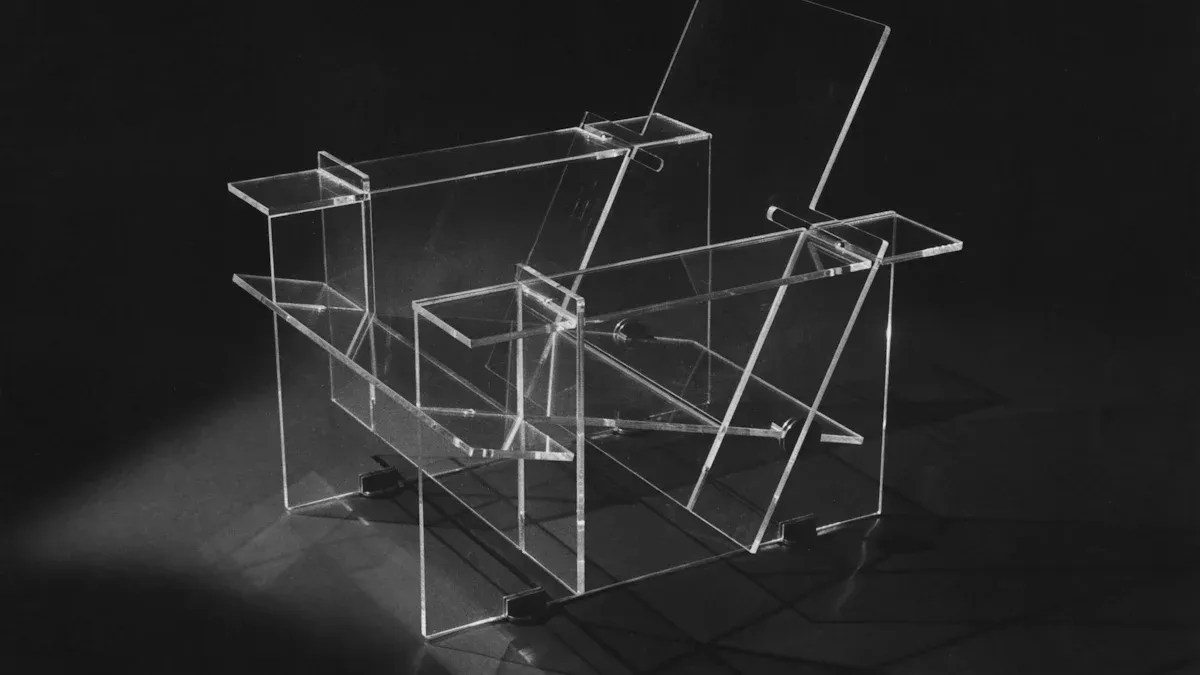
Your client's brand deserves a custom-built environment. Glass limits your creative options with its rigid, flat nature. Acrylic, however, unlocks a world of design possibilities. You can shape, mold, and print on it to create truly unique and memorable brand experiences.
Flexible Fabrication and Custom Shapes
You can fabricate acrylic in ways that are impossible with glass. This material gives you the freedom to move beyond simple panels and build complex, eye-catching structures. Modern fabrication techniques allow you to create almost any shape you can imagine.
Laser Cutting: This method produces intricate cuts for detailed logos and text.
CNC Machining: You can carve complex 3D shapes with perfect precision.
Thermoforming: This process involves heating and molding acrylic into dramatic curves and custom forms.
These techniques enable you to build immersive installations. For example, the "Walk-in Paradise" exhibit used shimmering acrylic plates to create a reflective, ethereal space that brought an "auspicious cloud" to life. You can also integrate lighting directly into acrylic structures or create minimalist, transparent pedestals that make products appear to float.
Vibrant and Precise Graphic Integration
A beautiful structure is only half the battle. You also need to apply your client's branding with clarity and impact. Acrylic excels here, too. You can print high-resolution graphics directly onto its surface, ensuring your client's message is sharp and vibrant.
UV digital printing is a game-changer for exhibit design. This method uses UV-curable inks that dry instantly on the acrylic surface. The result is a stunning, high-resolution image that resists fading, scratching, and smudging.
This direct printing process creates a seamless, professional finish. Your graphics become part of the display itself, not just a sticker applied to the surface. This durability ensures your client's branding looks pristine throughout the event and for future shows.
Why Acrylic Outshines Glass in Visual Quality
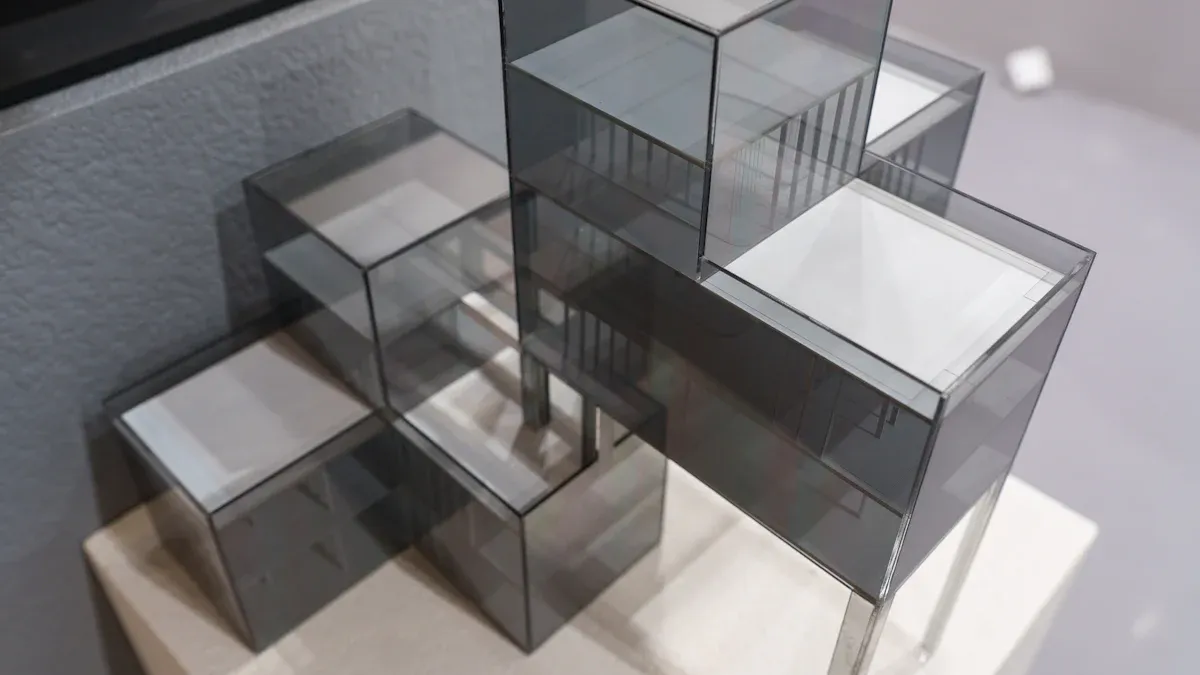
The visual appeal of an exhibit is paramount. You need materials that present your client’s products and branding in the best possible light. While glass seems like a clear choice, it has hidden flaws that can compromise visual quality. High-grade acrylic offers superior optical properties and easier maintenance, ensuring your displays look flawless.
Exceptional Optical Clarity
You want your client’s branding to be seen exactly as intended. The material you choose plays a huge role in color accuracy and brightness. High-grade acrylic offers up to 92% light transmittance. This means more light passes through it, resulting in a crystal-clear, brilliant appearance that makes colors pop.
In contrast, standard glass often fails to deliver true clarity. Most clear float glass contains iron oxide from the sand used in its manufacturing. This iron content gives the glass a distinct greenish tint. You can see this tint easily when you look at the edge of a glass panel, and it becomes more obvious in thicker sheets. This green hue can subtly distort the colors of products and graphics behind it.
Did You Know? The green tint in standard glass can alter the appearance of light-colored graphics or products, shifting their perceived color. Acrylic’s water-clear transparency ensures your client’s brand colors remain true and vibrant.
For any display where color accuracy and maximum brightness are critical, acrylic outshines glass by providing a purer, more luminous window for your designs.
Simplified Cleaning and Maintenance
Your exhibits need to look pristine from the first day of the show to the last. Keeping displays clean in a high-traffic environment can be a challenge, but acrylic makes it simple. Its durability extends to everyday maintenance and long-term care.
You can easily clean acrylic surfaces without specialized equipment. Follow these simple steps to keep your displays looking brand new:
Dust First: Use a soft microfiber cloth to gently dust the surface. This removes loose particles that could cause scratches during cleaning.
Wash Gently: Mix mild dish soap with warm water. Dip a clean microfiber cloth into the solution, wring it out, and wipe the acrylic.
Avoid Harsh Chemicals: Never use cleaners containing ammonia, alcohol, or other harsh solvents. These chemicals can damage the surface, causing it to look cloudy or even develop fine cracks over time.
Buff Dry: Use a separate, dry microfiber cloth to gently buff the surface. This restores its brilliant shine and prevents water spots.
One of the biggest maintenance advantages is how you can handle minor damage. If a glass panel gets scratched, the damage is permanent. You must replace the entire panel. With acrylic, you can often repair minor scuffs and scratches yourself.
Pro Tip: Polishing Minor Scratches 🧰 You can polish out light scratches on acrylic using a simple kit. Apply a specialized polishing compound, like Novus #2 or #3 for deeper scratches, with a clean cloth. Rub the area in a circular motion, then wipe it clean and finish with a fine polish like Novus #1 to restore the shine. This simple repair saves you the cost and hassle of a full replacement.
This repairability gives you a significant long-term advantage, extending the life of your exhibit stands and protecting your investment.
The Clear Financial Advantage
Choosing the right material directly impacts your project budget. You need a solution that is both affordable upfront and cost-effective over time. Acrylic provides clear financial benefits at every stage, from initial purchase to long-term use. This makes it a smarter financial choice for any event agency.
Lower Initial Investment Costs
You can lower your initial project costs significantly by choosing acrylic. The material itself is generally more affordable than tempered glass. Fabrication also costs less. Acrylic is a thermoplastic, so you can cut, shape, and mold it with less labor and expense. Glass requires more complex and costly manufacturing processes.
This cost difference becomes clear when you look at the price of tempered glass.
Tempered Glass Type | Average Cost Per Square Foot |
|---|---|
Standard Clear | $18 – $25 |
Low-Iron (Ultra Clear) | $28 – $35 |
Laminated Tempered | $34 – $42 |
Budget Insight: While acrylic prices vary, its material and fabrication costs are often much lower than the figures for specialty glass.
Furthermore, acrylic’s lighter weight reduces expenses before your team even begins assembly. You save money on shipping fees and require less labor for handling, adding to your initial savings.
Reduced Long-Term Expenses
Your savings continue long after the initial purchase. An exhibit stand is an investment you want to use for multiple events. While glass is hard, it is also brittle. One accident at a busy show can lead to a shattered panel, forcing you to pay for a full, expensive replacement.
Here, acrylic outshines glass with its superior durability and repairability. Its impact resistance minimizes the risk of breakage. If minor scuffs or scratches appear, you can often polish them out yourself. This simple maintenance saves you the high cost of replacing an entire panel. The lower replacement cost for acrylic protects your budget from unexpected accidents.
Choosing acrylic is a strategic decision that reduces financial risk. You get a durable, beautiful display with a lower total cost of ownership, ensuring your investment pays off event after event.
You have seen the evidence. Acrylic provides superior safety, unmatched design freedom, and clear financial benefits. The choice is simple. For modern exhibit stands, acrylic outshines glass. This is more than a material upgrade; it is a strategic business decision that boosts client satisfaction and your bottom line.
Embrace acrylic to position your agency as an innovative, practical, and forward-thinking leader in the exhibition industry. 🚀
FAQ
Is acrylic always cheaper than glass?
Standard acrylic is often more affordable than tempered glass. Specialty acrylics, like UV-filtering types, can have a higher material cost. However, you save money overall due to lower shipping, fabrication, and replacement expenses, making it a better long-term investment.
How easily does acrylic scratch?
Acrylic can scratch more easily than glass. The key advantage is repairability. You can polish out most minor scuffs and scratches yourself. This simple maintenance keeps your displays looking new and avoids the high cost of replacing an entire glass panel.
What is the best way to clean acrylic displays?
You can keep your acrylic displays looking great with simple care. Avoid harsh chemicals like ammonia or alcohol, as they can cause damage.
Cleaning Tip 🧼 Use a soft microfiber cloth with mild soap and water. Gently wipe the surface, then buff dry with a clean cloth to restore its brilliant shine.
Is acrylic an environmentally friendly choice?
Acrylic is a thermoplastic material. This means you can heat it and reform it for new uses. Many manufacturers offer recycling programs. Choosing a durable material that you can reuse for multiple events also reduces waste compared to single-use options.
