

Choosing the best acrylic frame for your artwork is a straightforward process. You first measure your art for the right frame size. Then, you select an acrylic type, such as clear acrylic, for optimal protection and display. The final step involves picking a mounting style that complements your acrylic frame and space.
How to Choose the Right Frame Size and Thickness
Selecting the perfect dimensions is the first practical step to choose the right frame. Your measurements will guide your decision on both the frame size and the necessary acrylic thickness. This ensures your artwork looks its best and remains secure.
Measuring Your Artwork
Accurate measurements are essential for a professional fit. You should measure your piece carefully before you purchase a frame.
Use a rigid ruler or a standard metal tape measure for the best results. Flexible fabric tapes can stretch and give inaccurate readings.
Measure the height and width of your artwork to the nearest 1/16 inch.
If your piece has depth, like a canvas or a 3D object, measure its thickness as well.
Pro Tip: Most acrylic box frames automatically add a 1/16 inch allowance to the interior dimensions. This small gap prevents the art from being squeezed too tightly.
Once you have your dimensions, you must decide if you want to use a mat. A mat provides a visual border, separating your artwork from the acrylic. This can create a more dramatic and upscale look. For example, placing an 11x14 inch piece in a larger 18x24 frame with a wide mat gives it a powerful visual impact. Using mats also lets you change the border color for a fresh look without buying a new frame.
The table below shows standard frame sizes with and without mats. Notice the mat opening is slightly smaller than the artwork size. This overlap holds the art securely in place.
Artwork Size | Frame Size (No Mat) | Frame Size (With Mat) | Mat Opening (With Mat) |
|---|---|---|---|
5 x 7 inches | 5 x 7 inches | 8 x 10 inches | 4-1/2 x 6-1/2 inches |
8 x 10 inches | 8 x 10 inches | 11 x 14 inches | 7-1/2 x 9-1/2 inches |
11 x 14 inches | 11 x 14 inches | 16 x 20 inches | 10-1/2 x 13-1/2 inches |
16 x 20 inches | 16 x 20 inches | 20 x 24 inches | 15.5 x 19.5 inches |
As you can see, adding a mat significantly increases the overall display area, making your piece a more prominent feature on your wall.
Selecting Acrylic Thickness
The thickness of the acrylic is just as important as the size. The right thickness prevents the clear acrylic from bowing or warping over time, especially with larger pieces.
Standard paper prints or posters are very thin, often around 1 mm. A basic clear acrylic sheet works well for these. However, for larger frames, you need a thicker, more rigid acrylic.
For large frames (e.g., 24x36 inches): You should choose an acrylic thickness of at least 5mm. This provides the rigidity needed to prevent bowing and ensures long-term durability.
For premium displays: An acrylic thickness of 6-10mm offers superior strength. This option gives the best acrylic frame a high-end, substantial appearance and is ideal for professional galleries or valuable pieces.
Choosing the correct thickness protects your art and enhances its presentation, giving it a solid, quality feel.
Selecting the Right Acrylic Type
After you determine the size, your next step is to choose the right type of acrylic. This choice affects both the appearance and the long-term protection of your artwork. You will need to decide between UV protection levels and surface finishes.
Standard vs. UV-Protective Acrylic
Your first decision balances basic display needs with archival preservation. The type of acrylic you select provides a specific level of protection against light damage.
Standard clear acrylic is a popular and affordable choice. It offers excellent clarity and is perfect for displaying prints or posters in rooms with minimal natural light. However, it provides limited defense against ultraviolet (UV) rays, which can cause colors to fade over time.
For pieces exposed to sunlight or fluorescent lighting, you need a higher level of protection. UV-protective acrylic is designed to safeguard your art. A special type called conservation clear acrylic is the industry standard for preservation. This acrylic blocks harmful light, keeping your art vibrant for years. For truly priceless or historical pieces valued over $3000, you should consider Premium Archival Acrylic. This option delivers museum-grade 99% UV protection, ensuring your investment is completely secure.
The table below shows how much UV light each acrylic type blocks.
Acrylic Type | UV Protection |
|---|---|
Standard Clear Acrylic | ~66% |
Standard Non-Glare Acrylic | ~66% |
Conservation Clear Acrylic | 99% |
Note: Choosing conservation clear acrylic with 99% UV protection is the best way to prevent fading for any artwork you want to preserve for a lifetime.
Glossy Clear Acrylic vs. Non-Glare Finishes
Your next choice is about the visual experience. You must choose between the crystal clarity of glossy clear acrylic and the reflection-fighting power of non-glare acrylic.
Glossy clear acrylic covers offer the highest level of clarity. Your artwork’s colors will appear rich and its details sharp. This is the best option for rooms with controlled lighting where you can avoid direct light sources. The main drawback is glare. Like glass, this smooth surface creates mirror-like reflections that can obstruct the view of your art.
Non-glare acrylic is the solution for rooms with bright, unpredictable lighting. This acrylic has a matte finish that diffuses light. Instead of reflecting a sharp image of a lamp or window, it scatters the light to reduce distracting glare. This process makes your art easier to see from any angle. However, there is a trade-off. The diffusion that minimizes glare can also cause a very slight reduction in image sharpness.
Glossy Clear Acrylic: Use in rooms with soft, indirect lighting to maximize image clarity.
Non-Glare Acrylic: Use in bright rooms or spaces with many windows to minimize distracting glare.
Ultimately, the best acrylic frame combines the right protection and finish for your specific environment. For very large pieces, a Premium Heavy-Duty Acrylic frame provides superior quality and rigidity, preventing bowing while offering a choice of finish. Considering these options ensures your art looks its best and stays protected.
Picking a Mounting Style and Hardware
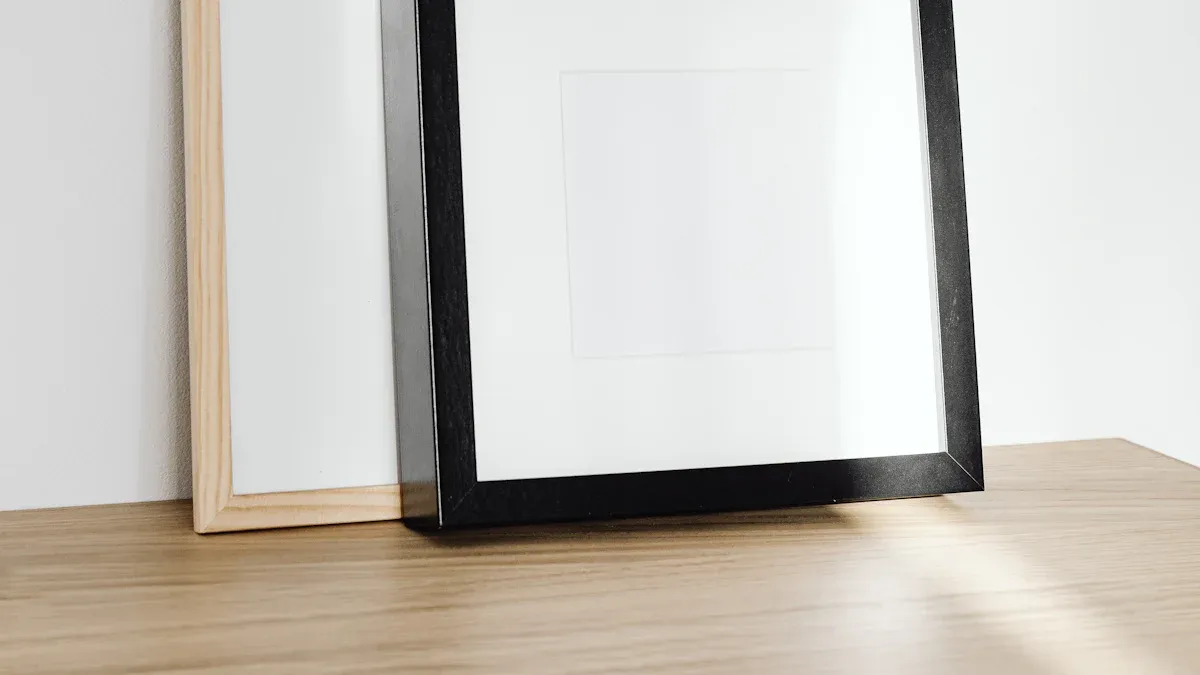
Your mounting style determines how your frame interacts with your space. You can choose a modern wall mount or a simple desktop display. The hardware you select adds the finishing touch to your acrylic frame.
Standoff Mounts
Standoff mounts give your artwork a dramatic, three-dimensional look. These mounts are small hardware cylinders that hold the acrylic away from the wall. This creates a floating effect with a distinct shadow behind the frame. The hardware often comes in materials like:
Aluminum
Stainless Steel
Standoffs are available in various sizes to match your project. A common diameter is 1/2 inch, with barrel lengths ranging from 1/2 inch to 2-1/2 inches.
Installation Tip: To install standoff mounts, you first mark your drill spots on the wall using the holes in your acrylic as a guide. Then, you install wall anchors and screw the standoff barrels into them. Finally, you place your artwork onto the barrels and secure it with the front caps.
Floating and Sandwich Frames
Floating and sandwich frames offer a sleek, borderless presentation. A sandwich-style acrylic frame holds your art between two panels of clear acrylic. This frameless design makes your artwork the complete focus. Many people use two sheets of acrylic for added stability, which creates a beautiful display.
A true floating frame is slightly different. It is designed for canvas art. This style leaves a small gap between the canvas and the frame, making the art appear to float inside. The canvas attaches to the frame from behind, hiding the hardware. Both styles provide a clean, contemporary look.
Desktop Box and Easel Frames
For smaller photos or prints, you might not need a wall-mounted frame. Desktop options provide a simple and elegant solution.
Box Frames: An acrylic box frame encases your art on all sides. This style is self-standing and protects your piece from dust. It is perfect for shelves and mantels.
Easel Frames: An easel-back frame is a classic choice for desks and tables. A single sheet of clear acrylic protects your photo, while a built-in stand holds it upright.
These styles offer versatility for displaying your favorite memories anywhere in your home or office.
Matching the Best Acrylic Frame to Your Style

Finding the best acrylic frame involves more than just technical choices. You also need to consider aesthetics. The right style will create a cohesive look that ties your artwork, frame, and room together into a single, beautiful display. A well-chosen acrylic frame complements both the piece it holds and the space it inhabits.
Complementing Your Artwork
The frame should enhance your artwork, not overpower it. The style of your piece should guide your choice. A minimalist acrylic design often works best, allowing the art to speak for itself. You can follow these simple guidelines:
For Bold, Modern Art: A frameless sandwich or standoff style emphasizes clean lines. This look keeps the focus entirely on the artwork.
For Colorful, Busy Pieces: A simple clear acrylic frame lets the vibrant colors and details be the star. The transparency of the acrylic ensures nothing distracts the eye.
For Vintage Photos or Prints: A classic acrylic box frame can provide a sense of substance. It creates a contained, jewel-box effect that feels both modern and timeless.
Aligning with Room Decor
Your new frame should also feel at home in your room. The hardware and style of the acrylic frame can tie into your existing decor. For a modern or industrial look, a standoff frame with stainless steel hardware adds a cool, technical feel. In a minimalist or Scandinavian room, a simple floating frame maintains a light and airy atmosphere. The clear acrylic material is versatile and fits seamlessly into almost any design scheme.
Pro Tip: Consider your wall color. A sheet of clear acrylic will allow the wall color to show through, becoming part of the overall look of your artwork. This effect can unify the piece with its surroundings. 🎨
Ultimately, you want the frame to feel like a deliberate choice. It should connect the art to the room, creating a polished and professional presentation that elevates your entire space.
You are now ready to select the perfect acrylic frame. This quick checklist summarizes the key steps for your convenience.
Your Quick Checklist for Choosing an Acrylic Frame
Measure your artwork accurately for the correct frame size.
Choose your acrylic type, like clear acrylic, for UV protection and finish.
Select a mounting style that suits your display needs.
Match the acrylic frame to your art and room decor.
You have all the information needed to confidently choose the best acrylic frame for your space.
FAQ
How do I clean my acrylic frame?
You should use a soft, non-abrasive cloth, like microfiber. Apply a small amount of mild soap and water. Gently wipe the surface to avoid scratches. Never use harsh chemical cleaners like ammonia or alcohol, as they can damage the acrylic.
Will non-glare acrylic make my art look blurry?
Non-glare acrylic has a matte finish to reduce glare. This finish can cause a very slight loss of sharpness. For maximum image clarity, choose glossy acrylic. For rooms with bright lights that cause intense glare, non-glare acrylic is the best choice to reduce that distracting glare.
Why choose acrylic over a traditional glass frame?
Acrylic offers superior quality and durability. It is much lighter than glass and is shatter-resistant, making it safer to handle and hang. Acrylic also provides better UV protection for your artwork than standard glass does, preserving its colors for longer.
How can I stop glare from ruining the view of my art?
You can stop glare by choosing the right frame finish. A non-glare acrylic frame is designed to scatter light, which minimizes reflections. This reduction in glare makes your art visible from any angle, even in a room with bright windows or lamps that create a lot of glare.
See Also
Understanding Acrylic Blocks: Definition, Key Features, and Diverse Applications
Acrylic Aquariums Explained: Definition, Unique Features, and Practical Applications
Exploring Round Acrylic Tray Designs and Their Many Practical Uses
