
High standards for cultural heritage preservation and conservation guide choices for displays in galleries and museums. For acrylic fixtures, solvent bonding is the superior method. It creates optically pure joints vital for long-term preservation and conservation.
In the solvent bonding vs uv bonding discussion, this optical purity is a deciding factor for high-end applications. However, uv bonding remains a valuable alternative for specific needs like rapid curing or mixed-material assemblies.
Understanding Solvent Bonding for Displays
Solvent bonding is the industry standard for high-end acrylic fabrication. It is not a gluing process but a chemical welding process. This method creates fixtures that meet the highest standards for long-term preservation and conservation.
The Science of a Chemical Weld
Solvent bonding creates a monolithic structure by chemically melting and fusing acrylic surfaces together. Fabricators apply a thin, water-like solvent to the joint using a needle applicator. The liquid flows into the seam through capillary action, softening the plastic. The two surfaces then intermingle on a molecular level and cure into a single, solid piece. Modern formulas, such as the reformulated Weld-On series, achieve this powerful bond without hazardous chemicals like methylene chloride. This process is fundamental to effective preservation and conservation, ensuring the display itself does not contribute to future degradation.
Advantage: Unmatched Optical Clarity
The primary aesthetic advantage of solvent bonding is its flawless optical clarity. A properly executed bond is invisible to the naked eye. There are no bubbles, yellowing, or visible glue lines that could cause visual degradation over time. This clarity is essential for the unobstructed viewing of historical artifacts and other sensitive items.
For museum-grade displays, the bond must not create any visual degradation or distortion. The goal is a seamless window to the artifacts, a standard that solvent bonding achieves perfectly, supporting both preservation and conservation goals without aesthetic compromise. Any potential for bond degradation is virtually eliminated.
Advantage: Superior Structural Integrity
A solvent-welded joint is exceptionally strong and durable. This chemical fusion can achieve a tensile strength of up to 10,500 psi, making the bond nearly as strong as the acrylic sheet itself. This structural integrity is a cornerstone of effective preservation strategies. It ensures display cases and vitrines can withstand handling and protect valuable artifacts from physical stress. For museums and the conservation community, this strength guarantees that storage conditions remain stable, preventing joint failure and potential chemical degradation. This robust construction is vital for the long-term preservation and conservation of irreplaceable artifacts, as it minimizes the risk of physical degradation and ensures the stability of storage conditions, preventing further degradation. The method's reliability prevents degradation and supports the core mission of preservation and conservation.
Exploring UV Bonding and Its Applications
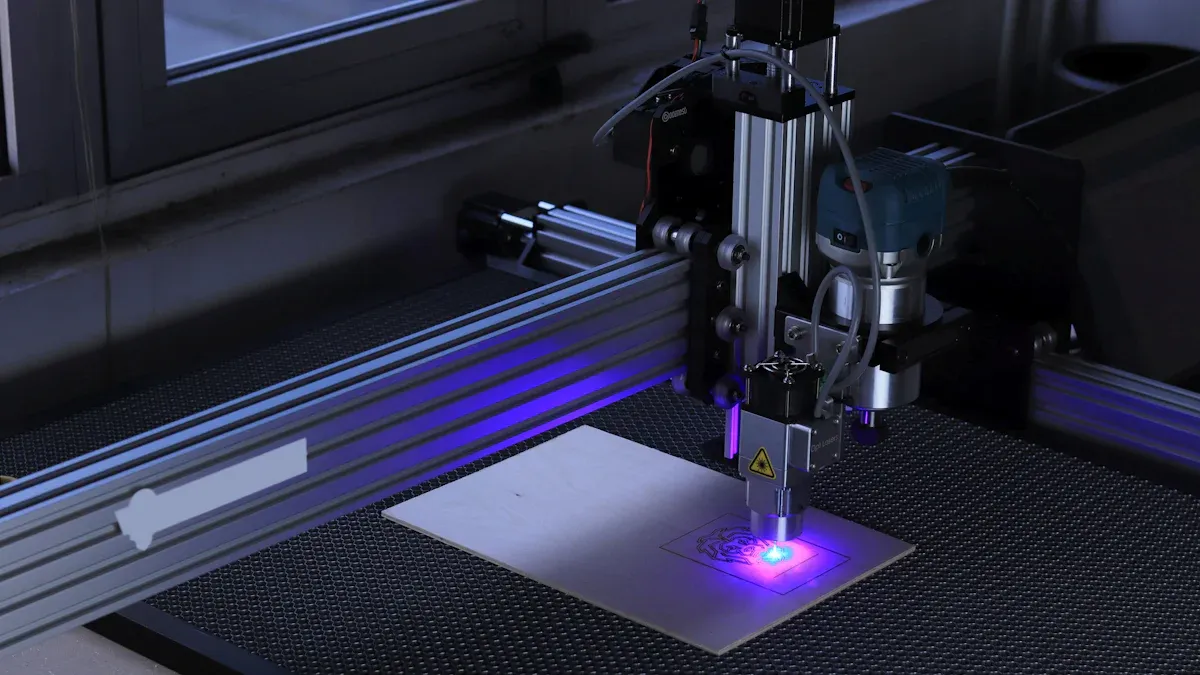
UV bonding offers a different approach to fabrication. It uses an adhesive cured by light instead of a chemical solvent. This method has specific, valuable applications, though it is not the primary choice for museum-grade acrylic displays focused on long-term preservation.
The Process of an Adhesive Cure
UV bonding is an additive process. Fabricators apply a liquid adhesive to a joint. This adhesive contains special molecules called photoinitiators. When exposed to a specific wavelength of uv light, these molecules trigger a rapid chemical reaction. This reaction, or cure, hardens the adhesive and bonds the surfaces together in seconds. The process requires a light source emitting in the 365 nm to 405 nm range. An incomplete cure can leave unreacted components, leading to future bond degradation and compromising conservation efforts.
Primary Use: Bonding Dissimilar Materials
The main strength of uv bonding is its ability to join different materials. It creates strong bonds between acrylic and non-porous substrates like metal or glass. This is useful for creating custom fixtures that incorporate metal hardware or glass elements. For example, a dual cure system can ensure a complete bond even in shadowed areas. This versatility supports conservation goals by enabling unique display solutions for specific artifacts.
Note: Certain adhesives are designed for specific material combinations. A dual curing adhesive or an abrasion-resistant adhesive might be chosen depending on the project's demands, which are often less stringent than those for displaying historical artifacts. Unlike a simple epoxy, these advanced formulas offer high clarity and strength for commercial uses.
Adhesive Type | Common Application | Key Benefit |
|---|---|---|
ZDS3355G | Glass to stainless steel or acrylic | Fills gaps, ideal for vertical bonds |
ZDS3311F | Glass to various plastics | High resistance to humidity and heat |
Drawbacks for All-Acrylic Displays
For all-acrylic displays, UV bonding presents significant risks to preservation and conservation. The primary issue is the potential for bond degradation over time. Exposure to light and heat can cause the adhesive to oxidize, resulting in yellowing and visual degradation. This discoloration is unacceptable for viewing artifacts. Improper curing also contributes to accelerated degradation. This long-term instability creates poor storage conditions. The risk of chemical degradation from a failing bond is a serious concern for conservation professionals. This potential for degradation makes it unsuitable for applications demanding the highest level of preservation. The constant threat of degradation undermines the stability of the storage conditions and the safety of the artifacts. This ongoing degradation is a critical failure for any conservation strategy.
Solvent Bonding vs UV Bonding: A Direct Comparison
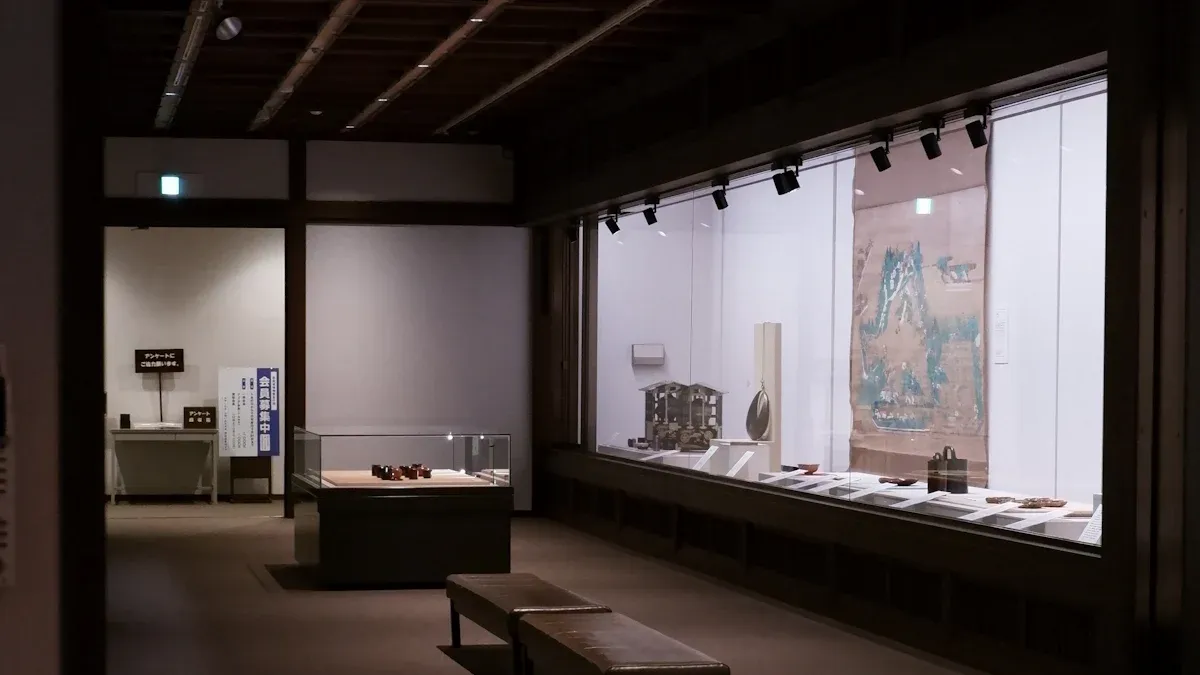
Choosing the right bonding method requires a direct comparison of their performance in key areas. For gallery and museum applications, the criteria of aesthetics, strength, and long-term stability are paramount. The debate of solvent bonding vs uv bonding often concludes with a clear winner for high-stakes conservation work.
Aesthetic and Optical Clarity
Aesthetic quality is the most immediate point of comparison. Solvent bonding excels in this area. It creates a perfectly clear, bubble-free joint that is invisible. This process fuses the acrylic, leaving no foreign material behind that could cause visual degradation. This optical purity is essential for the preservation of an unobstructed view of artifacts.
UV bonding, in contrast, introduces an adhesive layer. While initially clear, this adhesive is prone to degradation over time. Exposure to light and environmental changes can cause it to yellow, creating a visible and distracting line. This visual degradation is unacceptable for archival displays and undermines conservation efforts. The potential for this long-term degradation makes it a poor choice for displaying historical artifacts.
Bond Strength and Durability
The structural integrity of a display case is critical for protecting its contents. Solvent bonding produces a joint with immense strength. The chemical weld makes the seam nearly as strong as the acrylic material itself. This durability prevents joint failure and physical degradation, ensuring stable storage conditions for irreplaceable artifacts. This long-term stability is a cornerstone of professional preservation and conservation.
A UV bond's strength is dependent on the adhesive and the curing process. While a fresh bond can be strong, its durability over decades is a significant concern. The adhesive can become brittle or weaken, leading to bond degradation. This potential for failure introduces a risk that museums cannot afford. The constant threat of physical and chemical degradation from a failing bond compromises the entire goal of conservation. The discussion of solvent bonding vs uv bonding highlights this critical difference in long-term reliability.
Process Efficiency and Speed
Process speed is one area where UV bonding holds a distinct advantage. The curing process is exceptionally fast, which can benefit high-volume commercial production.
UV-Curable Adhesives: These light-curing adhesives offer ultra-fast curing, often hardening in just a few seconds.
Solvent bonding is a more deliberate process. It requires time for the solvent to work and for the joint to fully cure and achieve maximum strength. While this takes longer, the resulting bond's superior quality and permanence justify the extended timeline for applications centered on preservation. The speed of a uv cure cannot compensate for the risk of future degradation.
Safety and Environmental Impact
Both methods have important safety and environmental considerations. Solvent bonding uses volatile organic compounds (VOCs) that require strict handling protocols. Older formulas contained methylene chloride, a known hazardous VOC. Modern formulas are safer but still demand professional application in a controlled environment with proper ventilation. Regulatory bodies mandate specific safety measures.
Whenever hazardous substances such as dusts, fumes, mists, vapors, or gases exist or are produced in the course of construction work, their concentrations shall not exceed specified limits. When ventilation is used as an engineering control method, the system shall be installed and operated according to the requirements of this section. Local exhaust ventilation must be designed to prevent the dispersion of contaminants into the air.
These regulations, including OSHA standards like 29 CFR 1926.57 for ventilation, ensure fabricator safety. UV bonding avoids solvent fumes, which is a significant benefit. However, the process requires shielding from the high-intensity UV light source to prevent skin and eye damage. The uncured adhesive can also be a skin irritant. In the solvent bonding vs uv bonding comparison, the choice often depends on whether the priority is mitigating airborne VOCs or avoiding light-based hazards and long-term material degradation. For long-term conservation, managing the known risks of solvents is preferable to accepting the unknown future degradation of a UV or epoxy bond.
For professional museums, solvent bonding is the definitive choice. It meets the highest standards for preservation and conservation, preventing the degradation of priceless artifacts. Its superior clarity and strength create flawless fixtures, stopping physical degradation and visual degradation. This commitment to long-term preservation supports the core mission of conservation.
The solvent bonding vs uv bonding debate ends here for the conservation community. UV bonding is a useful tool for other needs. However, its risk of bond degradation, adhesive degradation, and eventual chemical degradation makes it unsuitable for the stable storage conditions required by museums for the preservation and conservation of artifacts. Preventing any form of degradation is the primary goal of conservation, making solvent bonding the only acceptable method to avoid material degradation and ensure long-term conservation.
FAQ
Why is solvent bonding the top choice for museums?
✅ Solvent bonding creates a seamless, strong joint. It prevents visual degradation and chemical degradation over time. This method stops material degradation. The process avoids the long-term bond degradation common with adhesives, which is a critical failure for conservation that leads to further degradation.
Can fabricators use UV bonding for museum displays?
❌ Experts advise against it for archival pieces. The adhesive is prone to yellowing, a form of visual degradation. This bond degradation creates a risk of chemical degradation. The potential for accelerated degradation and future material degradation makes it unsuitable for protecting priceless artifacts from degradation.
What about using epoxy for acrylic displays?
Using an epoxy adhesive is not recommended for high-end displays. Like UV adhesives, epoxy is subject to severe degradation over time. It can yellow and become brittle, causing bond degradation. This material degradation and chemical degradation risk makes it a poor choice, ensuring future degradation.
Is the risk of degradation with UV bonds really that high?
Yes, the risk is significant. Environmental factors cause accelerated degradation. This material degradation compromises the display's integrity. The constant threat of bond degradation, chemical degradation, and visual degradation makes it an unacceptable choice for long-term preservation, where preventing any degradation is the goal.
See Also
Solvent Bonding Versus UV Bonding: Unveiling the Superior Choice for Adhesion
Acrylic's Brilliance: How It Surpasses Glass in Modern Exhibit Design
Solvent Cementing Explained: Process, Definition, and Its Role in Acrylic Fabrication
UV-Curing Adhesive: Understanding Its Principles, Definition, and Diverse Applications
Illuminating Art: The Transformative Power of Lighting in Gallery Displays
