
From Sneaker Displays to ETB Cases: What the Collectibles Boom Teaches About Modern Acrylic Protection
Introduction
Ten years ago, acrylic display boxes were largely associated with retail fixtures and commercial merchandising.
Today, they have become a core part of collector culture.
Whether it's sneaker enthusiasts protecting limited-edition Jordans, Pokémon collectors preserving sealed Elite Trainer Boxes (ETBs), or retro gaming enthusiasts safeguarding vintage cartridges, one trend is clear:
Collectors are investing as much in protection and presentation as they are in the collectibles themselves.
For manufacturers like TOYIN, this shift did not happen overnight. The rise of acrylic sneaker boxes and the more recent explosion of ETB cases reveal a broader transformation in how people view ownership, value preservation, and display aesthetics.
The First Wave: Why Acrylic Shoe Boxes Took Off
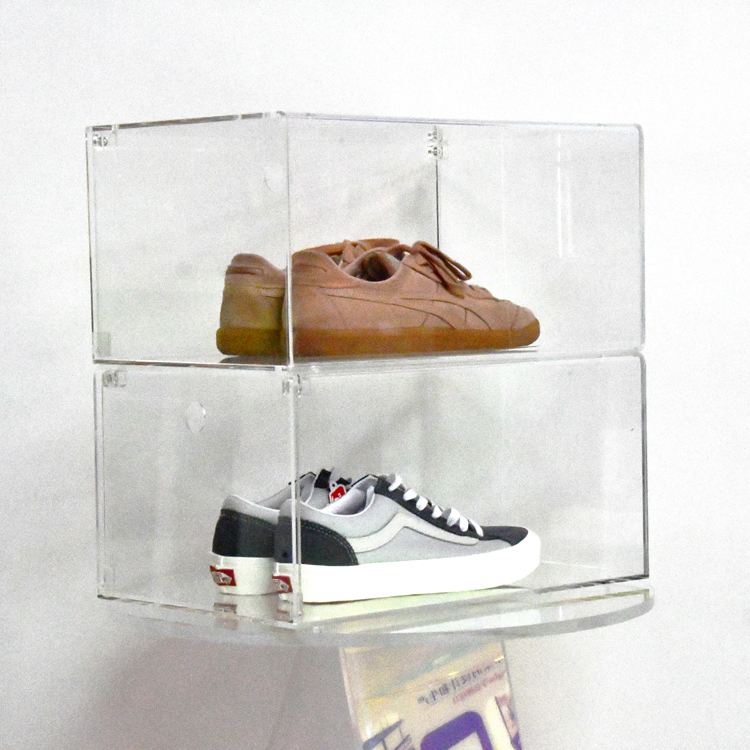
Acrylic Shoe Box
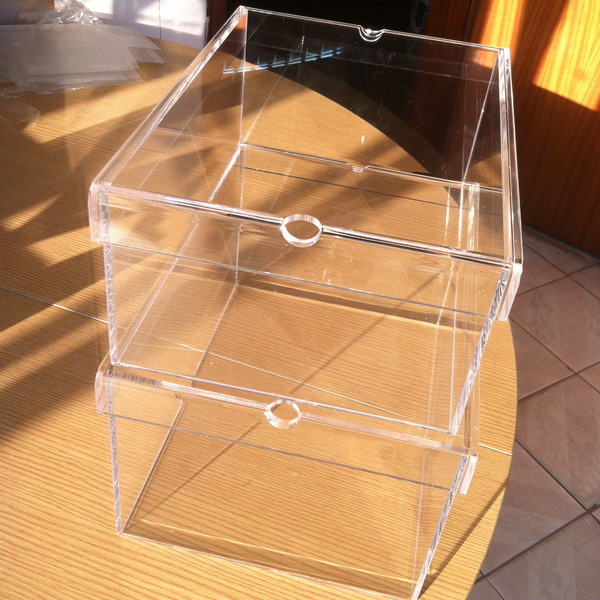
Acrylic Sneaker Box
Sneakers Became Assets, Not Just Footwear
The sneaker market fundamentally changed when limited releases began behaving more like collectibles than consumer products.
Collectors started asking:
How do I prevent dust accumulation?
How do I display my collection neatly?
How do I maximize storage space?
How do I preserve resale value?
Traditional cardboard boxes could no longer meet these needs.
Acrylic shoe boxes emerged as the perfect solution because they offered:
| Collector Need | Acrylic Solution |
| Dust protection | Fully enclosed structure |
| Display visibility | Crystal-clear transparency |
| Space efficiency | Stackable design |
| Easy access | Multiple opening methods |
| Premium presentation | Luxury retail appearance |
The product wasn't selling acrylic.
It was selling organization, protection, and pride of ownership.
Why Most Acrylic Shoe Boxes Fail
This is where manufacturing experience becomes important.
Many early shoe boxes looked attractive in photos but quickly revealed problems:
Weak stacking structures
Misaligned lids
Poor magnetic closures
Yellowing materials
Cracking hinges
What appears simple is actually a highly engineered product.
A well-designed acrylic shoe box must balance:
Structural strength
Transparency
User experience
Manufacturing efficiency
TOYIN's Experience with Shoe Box Development
During years of acrylic display manufacturing, TOYIN worked with different box structures and learned that collectors prioritize functionality just as much as appearance.
Several opening styles became popular:
| Opening Style | Advantages |
| Front Flip Door | Easy access while stacked |
| Lift-Off Lid | Simple structure, premium feel |
| Sliding Lid | Clean appearance |
| Magnetic Door | Convenient daily use |
| Side Opening Door | Suitable for limited spaces |
Each structure requires different hinge systems, magnetic configurations, tolerances, and assembly methods.
A successful shoe box is not simply about making a transparent box—it is about creating an experience every time the collector opens it.
The Second Wave: The Explosive Growth of ETB Acrylic Cases
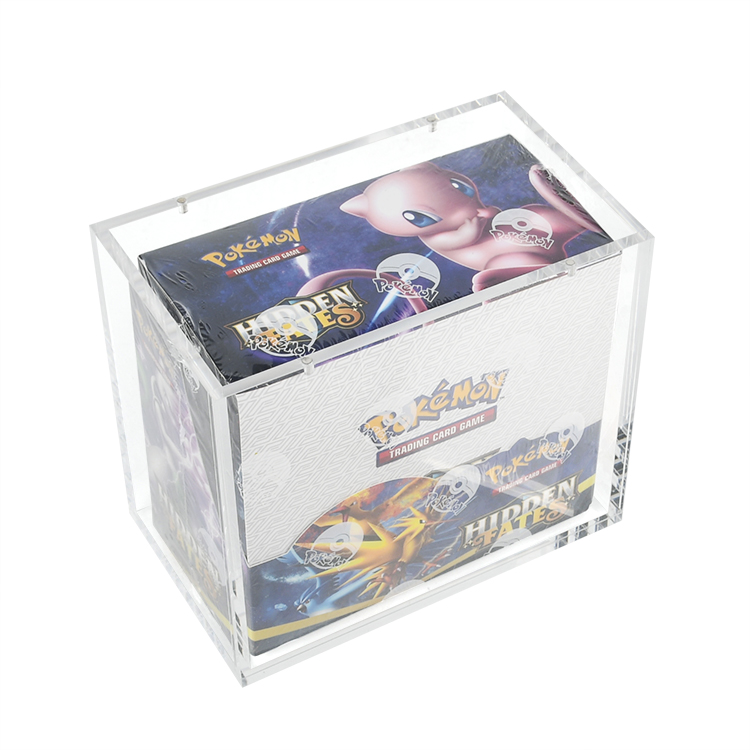
ETB Case
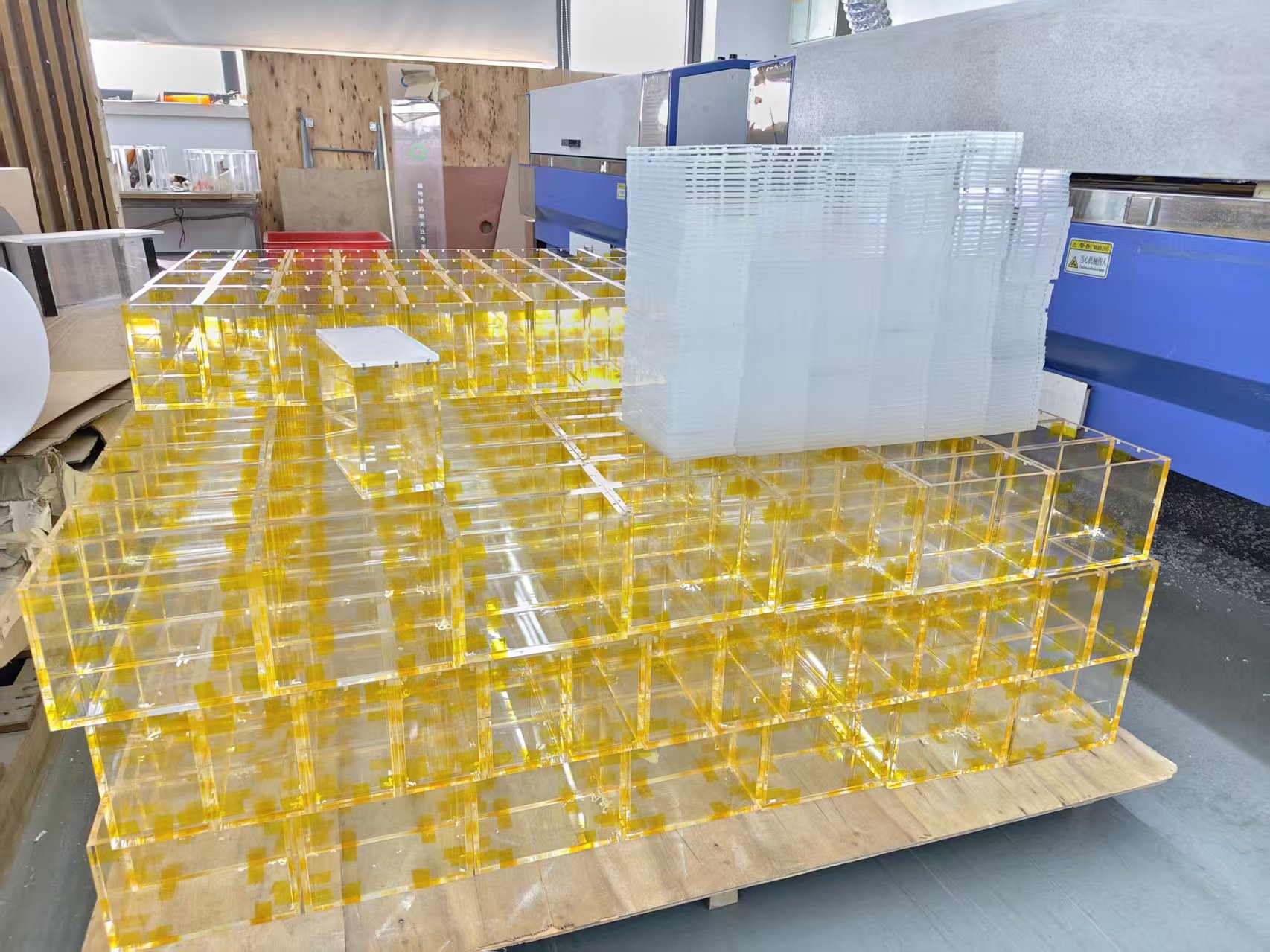
Production pics
Why ETB Cases Became the New Shoe Boxes
Over the past few years, Pokémon collecting has experienced tremendous growth.
Unlike sneakers, however, sealed ETBs present a different challenge.
Collectors rarely open them.
Their goal is preservation.
An ETB often functions more like a sealed investment piece than a product intended for use.
As values increased, collectors started looking for:
Scratch protection
Dust protection
UV protection
Stackability
Premium display presentation
This demand created a rapidly growing market for acrylic ETB cases.
What Collectors Really Want
Many people assume collectors are simply buying acrylic boxes.
In reality, they are buying peace of mind.
The most common concerns include:
Surface Damage
Even minor scratches can reduce perceived value.
Sunlight Exposure
Long-term UV exposure may accelerate fading and discoloration.
Storage Risks
stacked products can deform packaging over time.
Shipping Damage
Collectors frequently buy, sell, and trade products internationally.
Protection becomes critical.
The acrylic case serves as an insurance layer between the collectible and its environment.
Why Size Accuracy Matters More Than Most People Realize
One of the biggest differences between generic manufacturers and experienced collectible-case manufacturers is dimensional knowledge.
Every collectible category has unique sizing requirements.
Examples include:
| Product Category | Dimensional Challenges |
| Pokémon ETB | Different generations and regional releases |
| Booster Boxes | Numerous variations |
| Retro Games | Multiple console formats |
| Trading Cards | Different slab manufacturers |
| Sneakers | Different shoe sizes |
A difference of just 1–2 mm can significantly affect fit and presentation.
Over years of manufacturing collectible cases, TOYIN has accumulated a large library of
commonly requested dimensions, helping reduce development time and improve accuracy.
Why Magnetic Strength Matters
One detail many collectors overlook is magnet selection.
Low-quality magnets often result in:
Weak closure
Misalignment
Poor user experience
For premium display cases, stronger magnetic systems are frequently preferred.
N52 magnets are commonly chosen because they provide:
| Feature | Benefit |
| Higher magnetic force | Secure closure |
| Better alignment | Premium feel |
| Improved durability | Long-term reliability |
| Stronger stacking stability | Better user confidence |
Collectors may not know the magnet grade, but they immediately notice the difference when opening and closing the case.
UV Protection Is Becoming a Standard Requirement
Five years ago, most buyers focused primarily on transparency.
Today, UV protection is increasingly requested.
Collectors are becoming more educated about long-term preservation.
Important considerations include:
UV blocking performance
Material clarity
Color neutrality
Long-term durability
The challenge is balancing protection without sacrificing visibility.
This is why material selection has become one of the most important aspects of collectible-case manufacturing.
Packaging: The Hidden Factor Behind Success
One of the most overlooked aspects of collectible-case production is packaging.
A perfect acrylic case means little if it arrives damaged.
Collectors typically expect:
Scratch-free surfaces
Intact corners
Protective films
Premium unboxing experience
TOYIN's experience has shown that packaging design often influences customer satisfaction as much as the product itself.
A successful packaging system must account for:
International shipping
Drop resistance
Compression resistance
Retail presentation
In many cases, packaging development takes nearly as much effort as product development.
What the Future of Collectible Protection Looks Like
The evolution from sneaker boxes to ETB cases reveals a larger trend.
Collectors increasingly view their collections as:
Personal identity
Long-term assets
Display pieces
Community status symbols
As a result, acrylic protection products are evolving from simple containers into specialized display systems.
Future demand is likely to focus on:
Better UV protection
Stronger stacking systems
Premium magnetic closures
Modular display ecosystems
Collection-specific sizing
Why Experience Still Matters
Many factories can produce an acrylic box.
Far fewer understand collector behavior.
The difference lies in thousands of small details:
Knowing how products are displayed
Understanding stacking requirements
Selecting the right magnetic force
Designing reliable opening systems
Choosing appropriate UV-resistant materials
Developing packaging that survives global shipping
For companies like TOYIN, the popularity of acrylic sneaker boxes and ETB cases was never simply about following trends.
It was about understanding collectors, anticipating their needs, and continuously refining products around real-world usage.
As collectibles continue to evolve, one thing remains unchanged:
Collectors don't just want protection.
They want protection that respects the value, presentation, and experience of the items they care about most.
