

The collectibles market is booming, making proper protection for your valuable figurines more important than ever for collectors. Protecting figurines starts with selecting the right safe display materials. You ensure the safety of your figurines by choosing chemically stable, inert materials that will not cause damage over time.
Best Choices: Acrylic, Polyethylene (PE), Polypropylene (PP)
Worst Offenders: Polyvinyl Chloride (PVC), unsealed wood
Your goal is a beautiful display that does not harm your figurines. Selecting the correct items for your display, like archival-safe display cases, prevents irreversible damage.
Essential Safe Display Materials
You want to choose materials that are chemically stable. These materials are acid-free. They do not release harmful chemicals over time, a process called off-gassing. This stability is the most important factor in creating a safe home for your collection. Let's explore the best safe display materials for your figurines.
Recommended: Acrylic (PMMA)
Acrylic, also known as Polymethyl Methacrylate (PMMA), is the top choice for collectors. It offers excellent environmental stability compared to many other plastics. This material provides a crystal-clear view of your figurines and is perfect for high-quality display cases.
One of acrylic's biggest advantages is its optical clarity. It allows more light to pass through than other common transparent materials. This means your display will look bright and true to color.
Material | Light Transmittance |
|---|---|
Acrylic | 92% |
Polycarbonate | 88% |
UV Protection Tip 🛡️ Many acrylic sheets are designed for conservation and archival purposes. Museum-grade acrylic can block up to 99% of harmful UV rays. This protection helps prevent the paint on your figurines from fading over time.
Recommended: Polyethylene (PE) & Polypropylene (PP)
Polyethylene (PE) and Polypropylene (PP) are two other excellent plastics for long-term storage and protection. You will often find these materials used for archival products. They are chemically inert and will not harm your collectibles.
You can use PE and PP products in many ways:
Polyethylene Bags: These are perfect for protecting individual figurines from dust, handling, and pests. Archival-safe bags are available in many sizes and are ideal for short-term or long-term storage.
Polypropylene Boxes: These are great for organizing and storing multiple figurines. You can trust commercial-grade polypropylene for archival storage, as it is naturally acid-free and stable.
These materials provide a cost-effective way to ensure your collection remains safe, whether on a shelf or in a storage container.
Acceptable: Polycarbonate (PC)
Polycarbonate (PC) is an acceptable material, but you should know its pros and cons. Its main benefit is incredible strength. It is significantly more impact-resistant than acrylic, making it a good choice if you are worried about breakage.
Material | Impact Resistance (vs. Glass) |
|---|---|
Polycarbonate | 250 times |
Acrylic | 17 times |
However, polycarbonate has a major drawback. It is vulnerable to UV radiation. Exposure to sunlight and even some indoor lighting can cause it to yellow over time. This yellowing can continue even after you move the material into a dark storage space. This discoloration can spoil the look of your display. For this reason, you should only use polycarbonate when extreme impact resistance is your primary concern. Otherwise, acrylic remains the superior choice for showcasing your valuable figurines.
Harmful Materials to Avoid
Knowing which materials are safe is only half the battle. You must also learn to identify and avoid materials that can cause permanent damage to your collection. Some common plastics and woods release chemicals that can make your figurines sticky, brittle, or discolored over time.
Avoid: Polyvinyl Chloride (PVC)
You must avoid Polyvinyl Chloride (PVC) for any product that will touch your figurines. Many soft plastic items, like cheap binder pages or flexible pouches, are made from PVC. This material is not stable. It contains chemicals called plasticizers to make it flexible. These plasticizers will eventually leak out.
The Chemical Reaction ⚠️ When a PVC product touches another plastic, like your ABS or vinyl figurines, a chemical migration begins. The plasticizers move from the PVC into the figure. This process can soften, melt, or strip the paint from your collectibles, causing irreversible damage. High temperatures will make this process happen much faster.
This migration makes the PVC item stiff and brittle. More importantly, it ruins the surface of your figurines. You might see these effects:
A sticky or oily film on the figure's surface.
Softening of the plastic, making it feel gummy.
Paint that bubbles, peels, or wipes away easily.
Discoloration or "melting" where the two plastics touched.
How to Spot PVC You can identify PVC by looking for a resin identification code. This is a number inside a triangle of chasing arrows, usually found on the bottom of a plastic product.
Plastic Type | Resin Identification Code |
|---|---|
Polyvinyl Chloride |
|
If you see the number 3, do not use that product for your display.
Avoid: Unknown or Recycled Plastics
You should be very careful with products made from unknown or recycled plastics. While recycling is good for the environment, these materials are not safe for archival purposes. Recycled plastic batches can contain a mix of unknown polymers and harmful contaminants.
These materials can introduce dangerous chemicals to your display environment. Some common contaminants found in recycled plastics include:
Industrial Chemicals: Flame retardants, plasticizers, and persistent organic pollutants (POPs).
Heavy Metals: Lead, cadmium, and mercury.
Other Residues: Pesticides and pharmaceuticals from original containers.
The risk is uncertainty. You have no way of knowing what chemicals might be in an unlabeled plastic riser or storage bin. These unknown substances can off-gas and harm your figurines. Always choose new, clearly labeled plastics like acrylic, polyethylene, or polypropylene.
Avoid: Long-Term Polystyrene (PS) Contact
Polystyrene (PS) is another plastic to use with caution. You often find it used as cheap, clear, but brittle plastic containers or as the white foam (Styrofoam) used in packaging. While it is not as aggressive as PVC, it is not ideal for long-term contact.
Over time, polystyrene can become yellow and even more brittle, especially when exposed to light. It can also off-gas chemicals that may interact with the paint or plastic of your figurines. You should not use it for permanent stands, risers, or cases.
For a much safer alternative, you should choose acrylic. Acrylic is stronger, will not yellow, and offers superior optical clarity. It provides a durable and crystal-clear view of your collection without the risks associated with polystyrene.
Creating a Safe Display Space
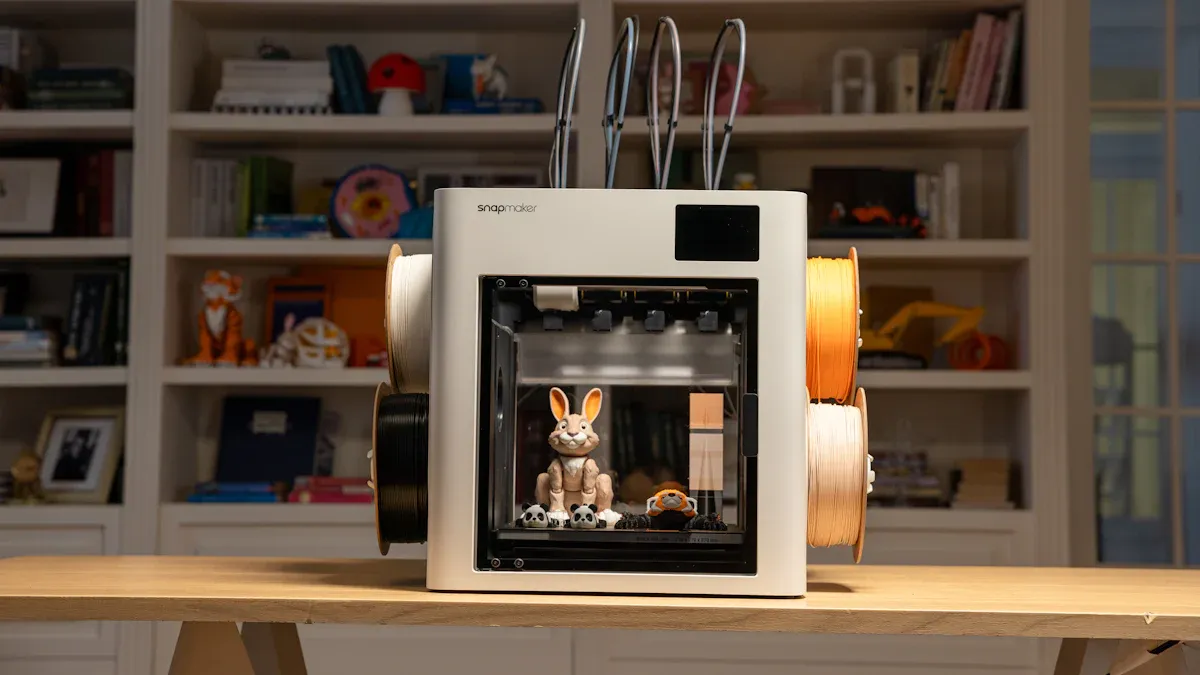
Creating a safe display space for your collectibles involves more than just the case. You must consider the entire environment, from shelving to liners. Your goal is to build a complete system that protects your figurines from chemical and physical damage.
Choosing Shelves and Cabinets
Your choice of shelving is critical. Powder-coated metal shelves are an excellent, inert option. If you prefer wood, you must be very careful. Unsealed engineered woods like MDF and particleboard release formaldehyde gas, which can harm your figurines over time.
Material | |
|---|---|
MDF | 0.633 |
Particleboard | Around 0.053 |
To make wood shelves safer, you must seal them completely.
Recommended Sealants: Use moisture-borne polyurethane or a two-part epoxy paint.
Sealants to Avoid: Do not use oil-based paints, stains, or polyurethanes.
After sealing, you should let the shelves air out for at least three to four weeks before use. For the best preservation, you can use enclosed glass cabinets with lighting. This protects your figurines from dust and creates a beautiful display.
How to Safeguard Fragile Figurines
You need to know how to safeguard fragile figurines from accidental damage. Proper handling and placement are key. When arranging your display, place a buffer layer like acid-free tissue paper between the shelf and your items. Ensure there is enough space between figurines so you can access them easily. For long-term storage, cushioned boxes or shadow boxes offer great protection. These practical storage solutions are suitable for collections of any size.
Pro Tip for Storage 📦 When using storage boxes, you should fill empty spaces with acid-free tissue paper. This prevents items from shifting. Never stack boxes, as the weight can cause damage.
Liners, Fabrics, and Adhesives
Any material touching your figurines must be inert. For liners or backdrops, you can choose safe fabrics like unbleached cotton or polyester. Avoid fabrics like wool, which emits corrosive gases. For padding, you can use archival-quality polyethylene foam to prevent scratches.
If you need to secure items, always use a reversible adhesive. Low-tack artist tape or pre-cooked wheat starch paste are safe options for temporary placement. These materials allow you to make adjustments without harming your collectibles. Thoughtful material choices are essential for showcasing figurines safely and creating a lasting, practical storage solutions. Many collectors find these small details make a big difference in the long-term preservation of their showcasing efforts.
Safe vs. Unsafe Materials: A Checklist
You can use this checklist to make smart choices for your collection. It helps you quickly compare safe and unsafe materials for every part of your display. A little knowledge now prevents damage later.
Cases and Stands for Figurines
The items that touch your figurines are the most important. You must choose materials that will not cause chemical reactions. This table shows you what to look for and what to avoid.
Component | ✅ Safe Choices | ❌ Unsafe Choices |
|---|---|---|
Cases | Acrylic (PMMA), Polycarbonate (PC) | Polystyrene (PS), Unknown Plastics |
Stands/Risers | Acrylic, Polyethylene (PE) | Polyvinyl Chloride (PVC), Polystyrene |
Bags | Polyethylene (PE), Polypropylene (PP) | PVC, Cellophane |
Always check for a resin identification code on plastic products. You should avoid anything with a 3 for PVC. Choosing the right safe display materials is the first step in protecting your figurines.
Shelving and Cabinet Materials
Your shelves and cabinets form the foundation of your display. You have many great options for showcasing your figurines. Glass cabinets protect your items from dust. Wall-mounted shelves can save floor space.
If you use wood, you must be careful. Unsealed particleboard can release harmful gases. You can make it safer by sealing it yourself.
First, you need to clean and sand the surface until it is smooth.
Next, apply a safe sealer like a water-based polyurethane or a two-part epoxy paint.
Let the shelves air out for several weeks before placing your figurines on them.
This process creates a barrier and makes your wooden furniture a safer home for your collection. Proper storage starts with a solid, inert foundation.
Liners, Risers, and Backdrops
You might use liners or risers to add style or height to your display. Any material near your figurines must be archival-safe. For fabrics, you can use unbleached cotton or polyester. Avoid wool, as it can release damaging gases over time.
For padding or custom risers, you can use archival-quality polyethylene foam. Products like Plastazote® are perfect for this purpose. This foam is inert and provides excellent cushioning for storage or display. These safe display materials ensure every part of your setup protects your valuable figurines. Good storage practices involve thinking about every layer of your display.
Protecting figurines is simple when you remember three rules. You should always choose inert materials for your figurines. You must keep your figurines away from harmful substances. You need to create a safe showcasing environment. Your choices are the best investment for the long-term preservation of your collectibles. This commitment ensures the best preservation for your figurines and prevents damage.
As active collectors, you should always check materials before you buy. This simple step is key to successfully showcasing figurines.
FAQ
How do I clean my acrylic case?
Proper cleaning is important. You should use a microfiber cloth for cleaning your case. Avoid paper towels. They can cause accidental scratches. Gentle cleaning keeps your view clear. This cleaning method is safe.
What is the best way to prevent accidental damage?
You can prevent accidental damage with stable shelving. Avoid high-traffic areas to reduce accidental bumps. Enclosed cases offer the best protection from accidental falls and dust. This prevents most accidental issues.
Can sunlight damage my figures?
Yes, sunlight can cause damage. You should keep your collection out of direct sunlight. UV rays fade paint and can make plastic brittle over time. This prevents accidental color loss.
What are the basics of handling and cleaning figures?
Proper handling and cleaning are vital. You should always have clean hands. For cleaning, use a soft brush to remove dust. Careful handling and cleaning prevents accidental wear and tear. This avoids accidental damage.
